Amy

I design clear, human-centered content strategies that help teams communicate with impact, and I bring the same storytelling approach to my published and in-progress fiction work.

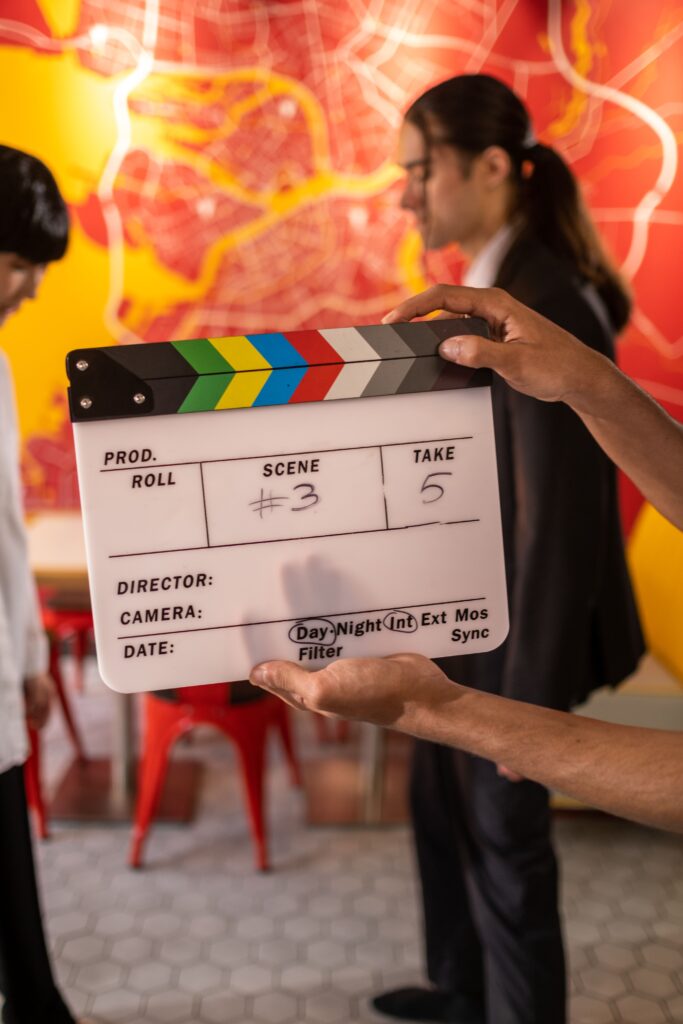
Behind-the-scenes image of a film set with a clapperboard and crew members.

The Scene-Sequel Structure: Action, Reaction, Decision

Most writers know about scenes. Something happens, there’s conflict, the scene ends. What most writers skip is what goes between. The sequel is the beat that follows a scene, where a character processes what just happened, feels the weight of it, and decides what to do next. Skipping it is one of the most common reasons books feel like they’re moving too fast without actually going anywhere.

The Scene-Sequel Structure: Action, Reaction, Decision Read More »

Group of actors in rehearsal with director, practicing for a theater performance.

How to Open a Scene In Medias Res Without Losing the Reader

Starting late is kindness. Dropping readers into the middle of something already happening, trusting them to catch up, skipping the setup they never needed—that’s the generous version of in medias res. The ungracious version drops readers into chaos with no ground under their feet and calls it bold. The difference between those two versions is orientation.

How to Open a Scene In Medias Res Without Losing the Reader Read More »

A haunting black and white image of a person in distress, pressing against a foggy surface.

Horror/Dark Fiction Focus: Why Readers Need to Care Before They Can Be Scared

Horror writers spend a lot of time thinking about what will scare a reader. The monster. The atmosphere. The pacing of the reveal. All of that matters. But none of it matters first. What matters first is whether the reader has a reason to care what happens to the person in the room with the monster.

Horror/Dark Fiction Focus: Why Readers Need to Care Before They Can Be Scared Read More »

smiley, emoticon, anger, angry, anxiety, emotions, emoticons, emojis, ball, calm, character, cheerful, confused, emotion, emotional, expression, face, facial, feeling, friendly, funny, happiness, happy, mad, madness, mood, moody, positive, psychology, sad, sadness, smile, symbol, unhappy, yellow, angry, anxiety, emotions, emotions, emotions, emotions, emotion, emotion, emotional, funny, happiness, happy, happy, happy, happy, happy, mood, positive, psychology, sad, sad, smile, smile, smile

The Micro-Moment: How Small Details Create Emotional Payoff

Grand moments in fiction are easy to write. The declaration. The reunion. The death. Writers know when they’re in one. The micro-moment is harder. It slips in between two lines of dialogue, sits at the end of an action beat, lives in a single physical detail nobody asked for. And then it lands harder than anything that announced itself could.

The Micro-Moment: How Small Details Create Emotional Payoff Read More »